Buy kapital24.eu ?
We are moving the project
kapital24.eu .
Are you interested in purchasing the domain
kapital24.eu ?
domain@kv-gmbh.de · 0541-91531010
Buy kapital24.eu ?
How do you convert mass percentage to volume percentage?
To convert mass percentage to volume percentage, you need to know the density of the substance. First, calculate the mass of the substance in a given volume using the density formula (density = mass/volume). Then, convert the mass percentage to mass in grams. Finally, divide the mass in grams by the density to get the volume in milliliters. Multiply the result by 100 to get the volume percentage. **
How do you calculate the percentage of a percentage?
To calculate the percentage of a percentage, you first convert the percentage to a decimal by dividing it by 100. Then, you multiply the original percentage by the new decimal value. For example, if you want to find 20% of 50%, you would first convert 50% to 0.50, and then multiply 20% by 0.50 to get the final result. **
Similar search terms for Percentage
Top-Angebote
Products related to Percentage:
-
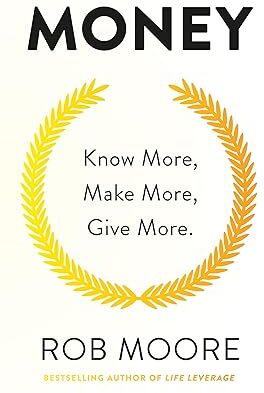
John Murray One Money: Know More, Make More, Give More by Rob Moore - Personal Finance Paperback - New - Practical Guide to Building WealthA straight-talking guide to financial independence, 'Money: Know More, Make More, Give More' by Rob Moore is ideal for aspiring entrepreneurs, first-time investors, or anyone looking to change their approach to earning, saving, and growing their money. Rob Moore, a self-made multi-millionaire and property investor, distills years of experience into a practical roadmap that breaks down the real rules of the money game. He argues that financial success is not down to luck or a single big break, but rather a game with knowable rules that can be understood and followed. This brand-new paperback is a must-read for anyone looking to take control of their finances and achieve financial independence.7,99 £*Shipping: 2,99 £Secure redirect to the provider
-
Hay House UK Make Money Easy by Lewis Howes - Hardback - Financial Freedom & Money Mindset Guide for Adults - Personal Finance BestsellerCreate financial freedom and live a richer life with this practical guide by Lewis Howes. This hardback book is a mindset-first approach to building genuine financial freedom, drawing on interviews with leading financial experts, cutting-edge money psychology research, and the author's own journey from broke to abundant. It helps readers uncover their unique 'Money Style,' build a powerful 'Money Mindset,' and develop a clear, actionable roadmap to earn more, worry less, and feel at peace with their finances. Written by the host of The School of Greatness podcast, this book is perfect for anyone tired of feeling stuck with money.21,99 £*Shipping: 2,99 £Secure redirect to the provider
-
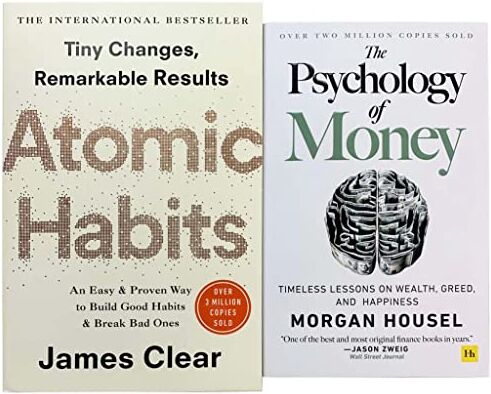
Random House Business/Harriman House ltd Atomic Habits & The Psychology of Money – 2 Books Collection Set Personal Growth, Wealth & Mindset BestsellersAtomic Habits People think that when you want to change your life, you need to think big. But world-renowned habits expert James Clear has discovered another way. He knows that real change comes from the compound effect of hundreds of small decisions: doing two push-ups a day, waking up five minutes early, or holding a single short phone call. He calls them atomic habits. In this ground-breaking book, Clears reveals exactly how these minuscule changes can grow into such life-altering outcomes. He uncovers a handful of simple life hacks (the forgotten art of Habit Stacking, the unexpected power of the Two Minute Rule, or the trick to entering the Goldilocks Zone), and delves into cutting-edge psychology and neuroscience to explain why they matter. Along the way, he tells inspiring stories of Olympic gold medalists, leading CEOs, and distinguished scientists who have used the science of tiny habits to stay productive, motivated, and happy. The Psychology of Money Doing well with money isn't necessarily about what you know. It's about how you behave. And behaviour is hard to teach, even to really smart people. Money investing, personal finance, and business decisions is typically taught as a math-based field, where data and formulas tell us exactly what to do. But in the real world people don't make financial decisions on a spreadsheet. They make them at the dinner table, or in a meeting room, where personal history, your own unique view of the world, ego, pride, marketing, and odd incentives are scrambled together. In The Psychology of Money, award-winning author Morgan Housel shares 19 short stories exploring the strange ways people think about money and teaches you how to make better sense of one of life's most important topics.15,99 £*Shipping: 2,99 £Secure redirect to the provider
-
The Readers Paradise The Psychology of Money Mindset: Decoding Financial Behaviour by Dr. N. Gosain - Paperback - Personal Finance & Money Psychology GuideDiscover the psychology behind your financial decisions with this practical guide by Dr. N. Gosain. The Psychology of Money Mindset: Decoding Financial Behaviour is a thought-provoking read that explores the psychological roots of our financial behaviour and shows how mindset, not just income, determines long-term financial success. This accessible paperback helps readers uncover unconscious habits, biases, and emotional triggers that shape spending, saving, and investing, and provides real-world money management advice to build a healthier, more confident relationship with money and take control of their financial future.2,99 £*Shipping: 2,99 £Secure redirect to the provider


-
What percentage of Russia is inhabited and what percentage is uninhabited?
Approximately 70% of Russia's land area is uninhabited, mainly due to its harsh climate and rugged terrain. The majority of Russia's population is concentrated in the western part of the country, with cities like Moscow and St. Petersburg being the most densely populated areas. The vast uninhabited regions of Russia include remote areas such as Siberia, the Far East, and the Arctic regions. **
-
How do you convert the percentage value into the percentage rate?
To convert a percentage value into a percentage rate, you simply divide the percentage value by 100. This will give you the decimal representation of the percentage rate. Then, you can multiply this decimal by 100 to convert it back into a percentage rate. For example, if you have a percentage value of 25%, you would divide 25 by 100 to get 0.25, and then multiply 0.25 by 100 to get a percentage rate of 25%. **
-
How do I calculate the percentage difference between two percentage values?
To calculate the percentage difference between two percentage values, you first subtract the smaller percentage from the larger percentage. Then, divide the result by the average of the two percentages. Finally, multiply the result by 100 to get the percentage difference. For example, if one percentage is 40% and the other is 60%, the calculation would be (60 - 40) / ((60 + 40) / 2) * 100 = 33.33%. **
-
Are 13% body fat percentage and 49% muscle percentage good values?
A body fat percentage of 13% is considered low for men and moderate for women, indicating a good level of leanness. A muscle percentage of 49% is also considered good, as it falls within the healthy range for both men and women. These values suggest a healthy balance between muscle mass and body fat, which is important for overall health and fitness. **

How do you estimate my body fat percentage (BFP) in percentage?
Body fat percentage (BFP) can be estimated using various methods such as skinfold calipers, bioelectrical impedance analysis (BIA), dual-energy X-ray absorptiometry (DXA), and hydrostatic weighing. Skinfold calipers measure the thickness of skinfolds at various sites on the body, which is then used to calculate body fat percentage. BIA sends a low-level electrical current through the body to estimate body composition based on the speed at which the current travels. DXA uses X-rays to measure bone, fat, and lean tissue in the body. Hydrostatic weighing involves submerging the body in water to measure body density, which is then used to calculate body fat percentage. **
How do you recognize the base percentage and the percentage value?
The base percentage is the original percentage that is being used as a reference point for comparison. It is typically the starting point from which other percentages are calculated. The percentage value is the actual numerical value that represents the proportion of a whole in terms of the base percentage. To recognize the base percentage and the percentage value, you need to understand the context in which they are being used and identify which percentage is being used as the reference point and which one is the actual numerical representation of a proportion. **
Top-Angebote
Products related to Percentage:
-
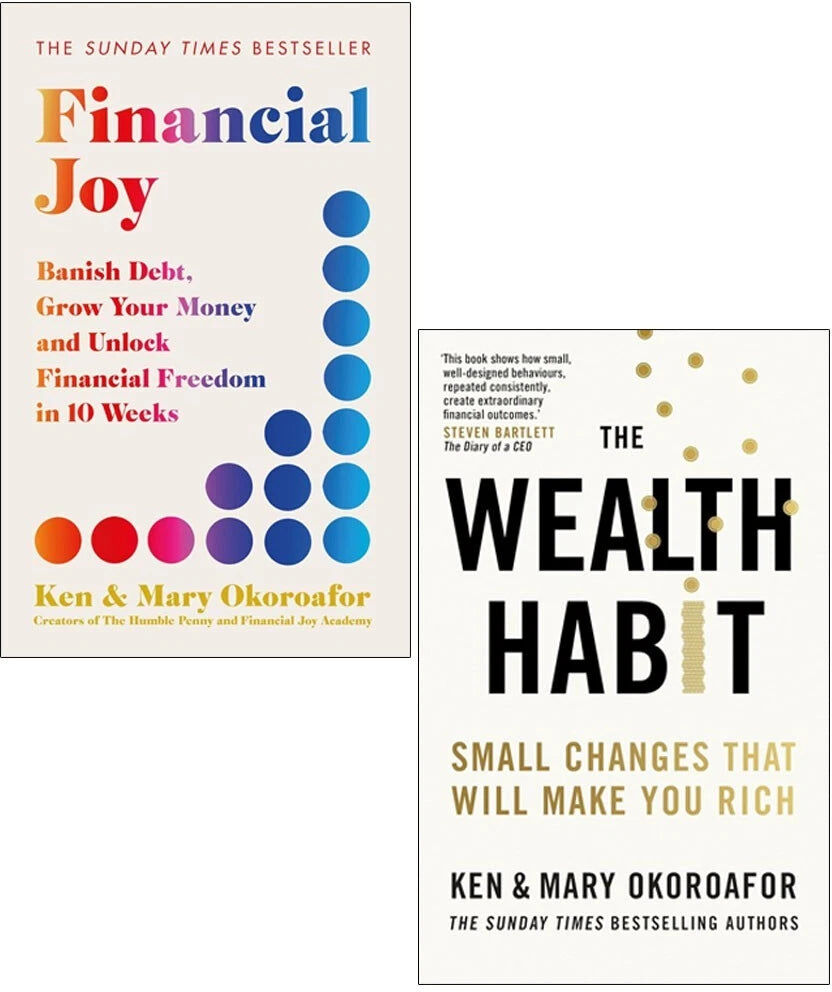
Quercus Publishing Financial Joy & The Wealth Habit by Ken & Mary Okoroafor - Paperback 2 Book Set - Personal Finance & Money HabitsAchieve financial freedom with this two-book collection by Ken and Mary Okoroafor. The set includes 'Financial Joy' and 'The Wealth Habit', two paperbacks that offer a complete roadmap to financial independence. Written from the authors' lived experience, this collection combines practical budgeting steps with small daily habits that compound into lasting wealth. The authors, founders of The Humble Penny and The Financial Joy Academy, share the strategies they used to pay off their mortgage and achieve financial independence by age 34. This set is ideal for anyone starting or restarting their money journey, and provides a life-changing plan to help readers turn their finances around while still enjoying life.13,99 £*Shipping: 2,99 £Secure redirect to the provider
-
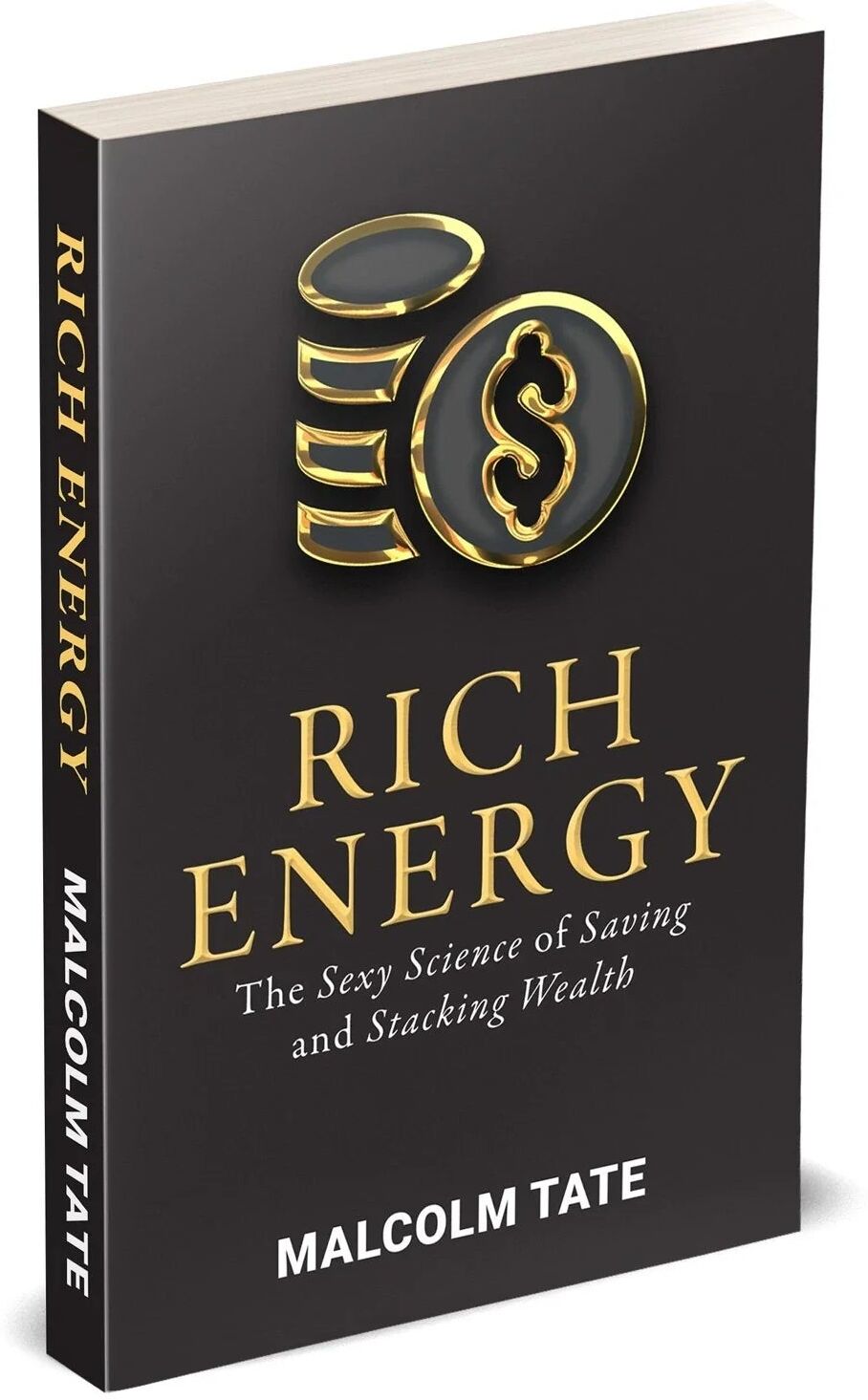
Rupa Publications RICH ENERGY: The Sexy Science of Saving & Stacking Wealth by Malcolm Tate - Paperback - Personal Finance & Money Mindset BookRich Energy: The Sexy Science of Saving; Stacking Wealth by Malcolm Tate is a contemporary take on personal finance that treats money as a mindset rather than a magic trick. Author Malcolm Tate reframes saving, spending, and investing as everyday habits rather than distant goals, giving readers a confident and accessible entry point into building lasting financial wellbeing without the jargon or judgment usually attached to money advice. This paperback book approaches personal finance as a lifestyle upgrade, focusing on the psychology behind spending triggers, the quiet discipline behind consistent saving, and the confidence that comes from understanding your financial situation. Published by Rupa Publications, this book offers a fresh perspective on managing your finances and achieving financial stability.2,99 £*Shipping: 2,99 £Secure redirect to the provider
-
John Murray One Money: Know More, Make More, Give More by Rob Moore - Personal Finance Paperback - New - Practical Guide to Building WealthA straight-talking guide to financial independence, 'Money: Know More, Make More, Give More' by Rob Moore is ideal for aspiring entrepreneurs, first-time investors, or anyone looking to change their approach to earning, saving, and growing their money. Rob Moore, a self-made multi-millionaire and property investor, distills years of experience into a practical roadmap that breaks down the real rules of the money game. He argues that financial success is not down to luck or a single big break, but rather a game with knowable rules that can be understood and followed. This brand-new paperback is a must-read for anyone looking to take control of their finances and achieve financial independence.7,99 £*Shipping: 2,99 £Secure redirect to the provider
-
Hay House UK Make Money Easy by Lewis Howes - Hardback - Financial Freedom & Money Mindset Guide for Adults - Personal Finance BestsellerCreate financial freedom and live a richer life with this practical guide by Lewis Howes. This hardback book is a mindset-first approach to building genuine financial freedom, drawing on interviews with leading financial experts, cutting-edge money psychology research, and the author's own journey from broke to abundant. It helps readers uncover their unique 'Money Style,' build a powerful 'Money Mindset,' and develop a clear, actionable roadmap to earn more, worry less, and feel at peace with their finances. Written by the host of The School of Greatness podcast, this book is perfect for anyone tired of feeling stuck with money.21,99 £*Shipping: 2,99 £Secure redirect to the provider
-
How do you convert mass percentage to volume percentage?
To convert mass percentage to volume percentage, you need to know the density of the substance. First, calculate the mass of the substance in a given volume using the density formula (density = mass/volume). Then, convert the mass percentage to mass in grams. Finally, divide the mass in grams by the density to get the volume in milliliters. Multiply the result by 100 to get the volume percentage. **
-
How do you calculate the percentage of a percentage?
To calculate the percentage of a percentage, you first convert the percentage to a decimal by dividing it by 100. Then, you multiply the original percentage by the new decimal value. For example, if you want to find 20% of 50%, you would first convert 50% to 0.50, and then multiply 20% by 0.50 to get the final result. **
-
What percentage of Russia is inhabited and what percentage is uninhabited?
Approximately 70% of Russia's land area is uninhabited, mainly due to its harsh climate and rugged terrain. The majority of Russia's population is concentrated in the western part of the country, with cities like Moscow and St. Petersburg being the most densely populated areas. The vast uninhabited regions of Russia include remote areas such as Siberia, the Far East, and the Arctic regions. **
-
How do you convert the percentage value into the percentage rate?
To convert a percentage value into a percentage rate, you simply divide the percentage value by 100. This will give you the decimal representation of the percentage rate. Then, you can multiply this decimal by 100 to convert it back into a percentage rate. For example, if you have a percentage value of 25%, you would divide 25 by 100 to get 0.25, and then multiply 0.25 by 100 to get a percentage rate of 25%. **
Similar search terms for Percentage
-
Random House Business/Harriman House ltd Atomic Habits & The Psychology of Money – 2 Books Collection Set Personal Growth, Wealth & Mindset BestsellersAtomic Habits People think that when you want to change your life, you need to think big. But world-renowned habits expert James Clear has discovered another way. He knows that real change comes from the compound effect of hundreds of small decisions: doing two push-ups a day, waking up five minutes early, or holding a single short phone call. He calls them atomic habits. In this ground-breaking book, Clears reveals exactly how these minuscule changes can grow into such life-altering outcomes. He uncovers a handful of simple life hacks (the forgotten art of Habit Stacking, the unexpected power of the Two Minute Rule, or the trick to entering the Goldilocks Zone), and delves into cutting-edge psychology and neuroscience to explain why they matter. Along the way, he tells inspiring stories of Olympic gold medalists, leading CEOs, and distinguished scientists who have used the science of tiny habits to stay productive, motivated, and happy. The Psychology of Money Doing well with money isn't necessarily about what you know. It's about how you behave. And behaviour is hard to teach, even to really smart people. Money investing, personal finance, and business decisions is typically taught as a math-based field, where data and formulas tell us exactly what to do. But in the real world people don't make financial decisions on a spreadsheet. They make them at the dinner table, or in a meeting room, where personal history, your own unique view of the world, ego, pride, marketing, and odd incentives are scrambled together. In The Psychology of Money, award-winning author Morgan Housel shares 19 short stories exploring the strange ways people think about money and teaches you how to make better sense of one of life's most important topics.15,99 £*Shipping: 2,99 £Secure redirect to the provider
-
The Readers Paradise The Psychology of Money Mindset: Decoding Financial Behaviour by Dr. N. Gosain - Paperback - Personal Finance & Money Psychology GuideDiscover the psychology behind your financial decisions with this practical guide by Dr. N. Gosain. The Psychology of Money Mindset: Decoding Financial Behaviour is a thought-provoking read that explores the psychological roots of our financial behaviour and shows how mindset, not just income, determines long-term financial success. This accessible paperback helps readers uncover unconscious habits, biases, and emotional triggers that shape spending, saving, and investing, and provides real-world money management advice to build a healthier, more confident relationship with money and take control of their financial future.2,99 £*Shipping: 2,99 £Secure redirect to the provider
-
John Murray You Are a Badass at Making Money by Jen Sincero - Paperback Self Help Book on Money Mindset & Personal Finance - NewYou Are a Badass at Making Money is a self-help guide by Jen Sincero. This book offers a no-nonsense approach to breaking through mental blocks that keep people stuck in financial struggle. It blends sharp comedy with practical exercises to help readers rewire their relationship with money and build real wealth. The book is a follow-up to Sincero's phenomenon You Are a Badass and provides bite-sized, actionable steps to overcome internal stories, fears, and excuses that sabotage earning potential. The paperback edition is a brand-new release from John Murray, a publisher known for its high-quality books for adults.2,99 £*Shipping: 2,99 £Secure redirect to the provider
-
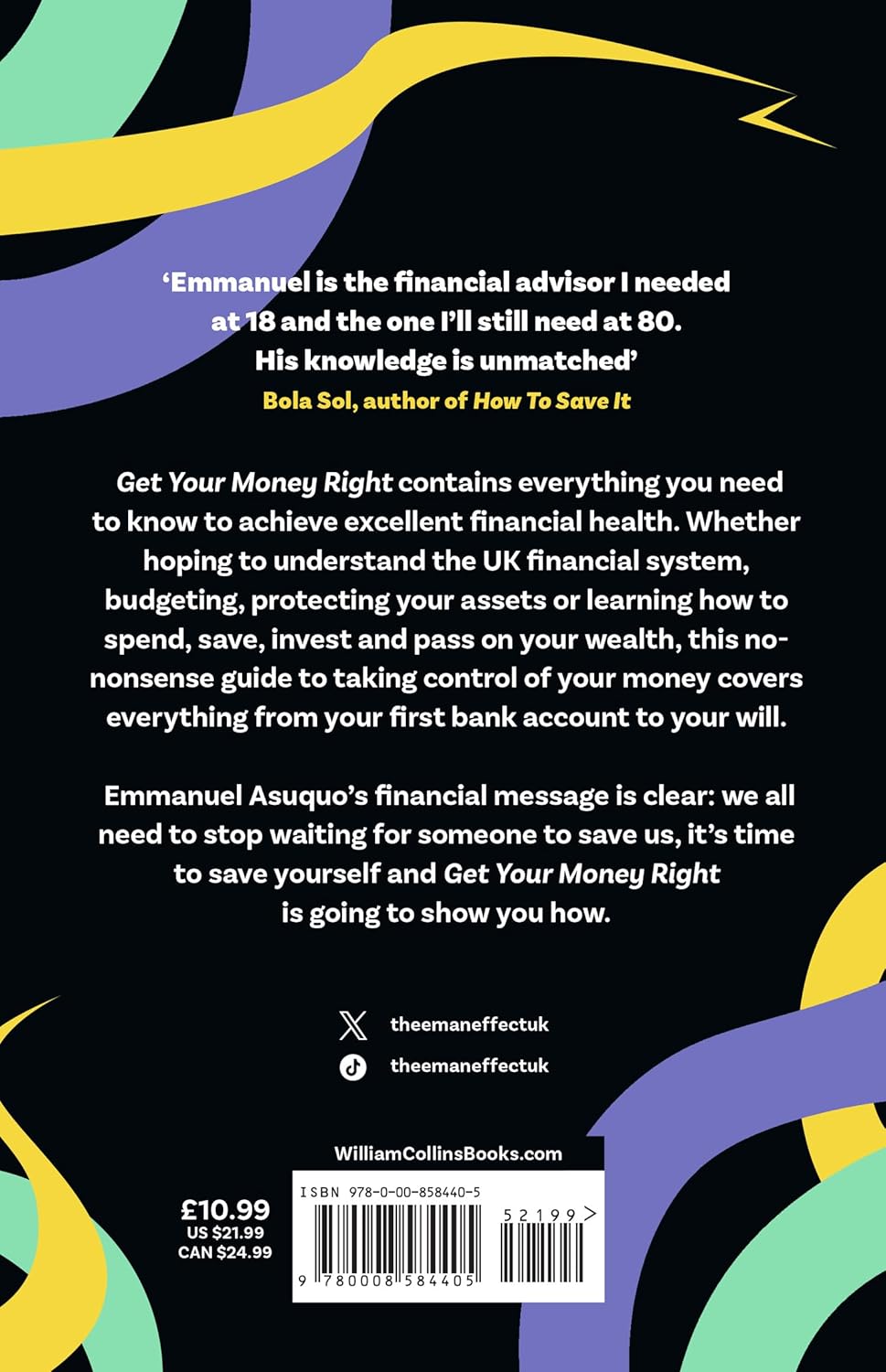
William Collins Get Your Money Right by Emmanuel Asuquo - Understand Your Money and Make It Work for You - Paperback Personal Finance GuideGet Your Money Right is a practical guide to personal finance from TV's trusted money expert, Emmanuel Asuquo. This paperback book breaks down the UK financial system into clear, actionable steps, helping readers build a healthier money mindset and work towards long-term financial security. Drawing on real client stories from his career as a financial adviser, Asuquo explains how the UK financial system works and why financial education matters, especially amid ongoing cost of living pressures. The book moves step by step through practical territory, covering understanding your relationship with money, building better financial habits, and navigating the UK financial system.4,99 £*Shipping: 2,99 £Secure redirect to the provider
-
How do I calculate the percentage difference between two percentage values?
To calculate the percentage difference between two percentage values, you first subtract the smaller percentage from the larger percentage. Then, divide the result by the average of the two percentages. Finally, multiply the result by 100 to get the percentage difference. For example, if one percentage is 40% and the other is 60%, the calculation would be (60 - 40) / ((60 + 40) / 2) * 100 = 33.33%. **
-
Are 13% body fat percentage and 49% muscle percentage good values?
A body fat percentage of 13% is considered low for men and moderate for women, indicating a good level of leanness. A muscle percentage of 49% is also considered good, as it falls within the healthy range for both men and women. These values suggest a healthy balance between muscle mass and body fat, which is important for overall health and fitness. **
-
How do you estimate my body fat percentage (BFP) in percentage?
Body fat percentage (BFP) can be estimated using various methods such as skinfold calipers, bioelectrical impedance analysis (BIA), dual-energy X-ray absorptiometry (DXA), and hydrostatic weighing. Skinfold calipers measure the thickness of skinfolds at various sites on the body, which is then used to calculate body fat percentage. BIA sends a low-level electrical current through the body to estimate body composition based on the speed at which the current travels. DXA uses X-rays to measure bone, fat, and lean tissue in the body. Hydrostatic weighing involves submerging the body in water to measure body density, which is then used to calculate body fat percentage. **
-
How do you recognize the base percentage and the percentage value?
The base percentage is the original percentage that is being used as a reference point for comparison. It is typically the starting point from which other percentages are calculated. The percentage value is the actual numerical value that represents the proportion of a whole in terms of the base percentage. To recognize the base percentage and the percentage value, you need to understand the context in which they are being used and identify which percentage is being used as the reference point and which one is the actual numerical representation of a proportion. **
* All prices are inclusive of VAT and, if applicable, plus shipping costs. The offer information is based on the details provided by the respective shop and is updated through automated processes. Real-time updates do not occur, so deviations can occur in individual cases. ** Note: Parts of this content were created by AI.