Buy kapital24.eu ?
We are moving the project
kapital24.eu .
Are you interested in purchasing the domain
kapital24.eu ?
domain@kv-gmbh.de · 0541-91531010
Buy kapital24.eu ?
What does food habitat mean?
Food habitat refers to the specific environment or area where an organism can find the food it needs to survive and thrive. It includes the types of food available, the accessibility of the food source, and the interactions between different species competing for the same resources. Understanding the food habitat of an organism is crucial for conservation efforts and ecosystem management, as it helps in predicting how changes in food availability can impact the population dynamics of species. **
What habitat is the sandy seabed?
The sandy seabed is a habitat found in shallow coastal waters and the deep ocean. It is characterized by a bottom covered in sand particles, with little to no vegetation or coral reefs. This habitat is home to a variety of marine organisms such as sand dollars, flatfish, and certain species of sharks and rays. The sandy seabed provides a substrate for burrowing animals and is an important feeding ground for many species of fish. **


Similar search terms for Habitat
Top-Angebote
Products related to Habitat:
-
John Murray One Money: Know More, Make More, Give More by Rob Moore - Personal Finance Paperback - New - Practical Guide to Building WealthA straight-talking guide to financial independence, 'Money: Know More, Make More, Give More' by Rob Moore is ideal for aspiring entrepreneurs, first-time investors, or anyone looking to change their approach to earning, saving, and growing their money. Rob Moore, a self-made multi-millionaire and property investor, distills years of experience into a practical roadmap that breaks down the real rules of the money game. He argues that financial success is not down to luck or a single big break, but rather a game with knowable rules that can be understood and followed. This brand-new paperback is a must-read for anyone looking to take control of their finances and achieve financial independence.7,99 £*Shipping: 2,99 £Secure redirect to the provider
-
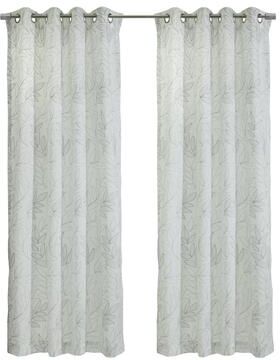
Habitat Valentina Sheer Grommet Curtain PanelThis sheer curtain is the ideal decorative touch for any space. It drapes flawlessly with its embroidered tone-on-tone motif and permits daylight to stream into the room, giving a feeling of openness and sophistication.41,49 $*Shipping: 0,00 $Secure redirect to the provider
-
Habitat Boucle Sheer Grommet Curtain PanelThis Sheer Curtain is the perfect accent for any room. It is detailed with a delicate boucle-like raised slub texture, which drapes flawlessly and allows natural light to flow through the room creating a sense of airiness and elegance.33,49 $*Shipping: 0,00 $Secure redirect to the provider
-
Habitat Crushed Sheer Tab Curtain PanelTransform the charm of your space with this delicately wrinkled sheer curtain. The subtle, relaxed folds exude a vintage-inspired, chic allure that's sure to captivate. Plus, the convenient tab top design makes hanging the curtain a breeze.32,99 $*Shipping: 0,00 $Secure redirect to the provider



-
How much money do you spend on setting up the hamster's habitat?
The cost of setting up a hamster's habitat can vary depending on the size and type of enclosure, bedding, food and water dishes, exercise wheel, toys, and other accessories. On average, you can expect to spend around $50 to $100 for the initial setup of a hamster's habitat. However, ongoing costs for bedding, food, and other supplies will also need to be factored in. It's important to invest in a quality habitat and accessories to ensure the health and well-being of your hamster. **
-
How do lifespan and habitat influence jellyfish?
Lifespan and habitat play a significant role in influencing jellyfish populations. Different species of jellyfish have varying lifespans, with some living only a few months while others can live for several years. The habitat in which jellyfish reside also impacts their population dynamics, as certain environmental conditions such as temperature, salinity, and food availability can affect their growth and reproduction rates. Additionally, changes in habitat due to human activities, such as pollution and overfishing, can lead to an increase in jellyfish populations in some areas. **
-
How are reptiles adapted to their habitat?
Reptiles are adapted to their habitat in several ways. Some of the key adaptations include: 1. Scales or shells: Reptiles have scales or shells that help protect them from predators and harsh environmental conditions. These structures also help reduce water loss through their skin. 2. Efficient metabolism: Reptiles have a slow metabolism which allows them to survive in environments with limited food resources. They can go for long periods without eating. 3. Behavioral adaptations: Reptiles have developed various behaviors to help them survive in their habitats. For example, some species bask in the sun to regulate their body temperature, while others burrow underground to escape extreme temperatures. 4. Camouflage: Many reptiles have evolved to blend in with their surroundings, making them less visible to predators or prey. 5. Specialized senses: Reptiles have specialized senses such as heat-sensing pits, which help them detect prey or predators in their environment. Overall, these adaptations help reptiles thrive in a wide range of habitats, from deserts to rainforests. **
-
What biotic factors characterize the desert habitat?
Biotic factors in the desert habitat include a variety of plant species that have adapted to the arid conditions, such as cacti, succulents, and drought-resistant shrubs. In addition, desert habitats are home to a diverse range of animal species, including reptiles like snakes and lizards, mammals like coyotes and kangaroo rats, and birds like roadrunners and owls. These biotic factors have evolved to survive in the harsh desert environment, often with specialized adaptations for conserving water and finding food in the sparse landscape. **


What is a habitat for an aquarium?
A habitat for an aquarium is a carefully designed environment that mimics the natural living conditions of the aquatic species being housed. It includes elements such as water quality, temperature, lighting, plants, rocks, and hiding spots to ensure the health and well-being of the fish or other aquatic animals. Creating a suitable habitat is essential for the inhabitants to thrive and exhibit their natural behaviors. Regular maintenance and monitoring of the habitat are also crucial to keep the aquarium ecosystem stable. **
How have crocodiles adapted to their habitat?
Crocodiles have adapted to their habitat in several ways. Their streamlined bodies and webbed feet help them move swiftly through water, making them efficient hunters. Their ability to regulate their body temperature by basking in the sun or cooling off in the water allows them to thrive in a range of environments. Their powerful jaws and sharp teeth are well-suited for catching and consuming prey, making them top predators in their ecosystems. **
Top-Angebote
Products related to Habitat:
-
Quercus Publishing Financial Joy & The Wealth Habit by Ken & Mary Okoroafor - Paperback 2 Book Set - Personal Finance & Money HabitsAchieve financial freedom with this two-book collection by Ken and Mary Okoroafor. The set includes 'Financial Joy' and 'The Wealth Habit', two paperbacks that offer a complete roadmap to financial independence. Written from the authors' lived experience, this collection combines practical budgeting steps with small daily habits that compound into lasting wealth. The authors, founders of The Humble Penny and The Financial Joy Academy, share the strategies they used to pay off their mortgage and achieve financial independence by age 34. This set is ideal for anyone starting or restarting their money journey, and provides a life-changing plan to help readers turn their finances around while still enjoying life.13,99 £*Shipping: 2,99 £Secure redirect to the provider
-
Rupa Publications RICH ENERGY: The Sexy Science of Saving & Stacking Wealth by Malcolm Tate - Paperback - Personal Finance & Money Mindset BookRich Energy: The Sexy Science of Saving; Stacking Wealth by Malcolm Tate is a contemporary take on personal finance that treats money as a mindset rather than a magic trick. Author Malcolm Tate reframes saving, spending, and investing as everyday habits rather than distant goals, giving readers a confident and accessible entry point into building lasting financial wellbeing without the jargon or judgment usually attached to money advice. This paperback book approaches personal finance as a lifestyle upgrade, focusing on the psychology behind spending triggers, the quiet discipline behind consistent saving, and the confidence that comes from understanding your financial situation. Published by Rupa Publications, this book offers a fresh perspective on managing your finances and achieving financial stability.2,99 £*Shipping: 2,99 £Secure redirect to the provider
-
John Murray One Money: Know More, Make More, Give More by Rob Moore - Personal Finance Paperback - New - Practical Guide to Building WealthA straight-talking guide to financial independence, 'Money: Know More, Make More, Give More' by Rob Moore is ideal for aspiring entrepreneurs, first-time investors, or anyone looking to change their approach to earning, saving, and growing their money. Rob Moore, a self-made multi-millionaire and property investor, distills years of experience into a practical roadmap that breaks down the real rules of the money game. He argues that financial success is not down to luck or a single big break, but rather a game with knowable rules that can be understood and followed. This brand-new paperback is a must-read for anyone looking to take control of their finances and achieve financial independence.7,99 £*Shipping: 2,99 £Secure redirect to the provider
-
Habitat Valentina Sheer Grommet Curtain PanelThis sheer curtain is the ideal decorative touch for any space. It drapes flawlessly with its embroidered tone-on-tone motif and permits daylight to stream into the room, giving a feeling of openness and sophistication.41,49 $*Shipping: 0,00 $Secure redirect to the provider
-
What does food habitat mean?
Food habitat refers to the specific environment or area where an organism can find the food it needs to survive and thrive. It includes the types of food available, the accessibility of the food source, and the interactions between different species competing for the same resources. Understanding the food habitat of an organism is crucial for conservation efforts and ecosystem management, as it helps in predicting how changes in food availability can impact the population dynamics of species. **
-
What habitat is the sandy seabed?
The sandy seabed is a habitat found in shallow coastal waters and the deep ocean. It is characterized by a bottom covered in sand particles, with little to no vegetation or coral reefs. This habitat is home to a variety of marine organisms such as sand dollars, flatfish, and certain species of sharks and rays. The sandy seabed provides a substrate for burrowing animals and is an important feeding ground for many species of fish. **
-
How much money do you spend on setting up the hamster's habitat?
The cost of setting up a hamster's habitat can vary depending on the size and type of enclosure, bedding, food and water dishes, exercise wheel, toys, and other accessories. On average, you can expect to spend around $50 to $100 for the initial setup of a hamster's habitat. However, ongoing costs for bedding, food, and other supplies will also need to be factored in. It's important to invest in a quality habitat and accessories to ensure the health and well-being of your hamster. **
-
How do lifespan and habitat influence jellyfish?
Lifespan and habitat play a significant role in influencing jellyfish populations. Different species of jellyfish have varying lifespans, with some living only a few months while others can live for several years. The habitat in which jellyfish reside also impacts their population dynamics, as certain environmental conditions such as temperature, salinity, and food availability can affect their growth and reproduction rates. Additionally, changes in habitat due to human activities, such as pollution and overfishing, can lead to an increase in jellyfish populations in some areas. **
Similar search terms for Habitat
-
Habitat Boucle Sheer Grommet Curtain PanelThis Sheer Curtain is the perfect accent for any room. It is detailed with a delicate boucle-like raised slub texture, which drapes flawlessly and allows natural light to flow through the room creating a sense of airiness and elegance.33,49 $*Shipping: 0,00 $Secure redirect to the provider
-
Habitat Crushed Sheer Tab Curtain PanelTransform the charm of your space with this delicately wrinkled sheer curtain. The subtle, relaxed folds exude a vintage-inspired, chic allure that's sure to captivate. Plus, the convenient tab top design makes hanging the curtain a breeze.32,99 $*Shipping: 0,00 $Secure redirect to the provider
-
Habitat Selina Sheer Grommet Curtain PanelInfuse a fresh vibe into your room using our sheer grommet curtain. This delicate and stylish curtain effectively disperses light due to its sheer faux linen material, producing a gentle, inviting radiance in any space.36,95 $*Shipping: 0,00 $Secure redirect to the provider
-
Habitat Botanica Light Filtering Grommet Curtain PanelCrafted with a botanical-inspired jacquard pattern, this curtain adds a touch of luxury and sophistication to any room. By bringing the beauty of nature indoors, it creates a serene ambiance.27,98 $*Shipping: 0,00 $Secure redirect to the provider
-
How are reptiles adapted to their habitat?
Reptiles are adapted to their habitat in several ways. Some of the key adaptations include: 1. Scales or shells: Reptiles have scales or shells that help protect them from predators and harsh environmental conditions. These structures also help reduce water loss through their skin. 2. Efficient metabolism: Reptiles have a slow metabolism which allows them to survive in environments with limited food resources. They can go for long periods without eating. 3. Behavioral adaptations: Reptiles have developed various behaviors to help them survive in their habitats. For example, some species bask in the sun to regulate their body temperature, while others burrow underground to escape extreme temperatures. 4. Camouflage: Many reptiles have evolved to blend in with their surroundings, making them less visible to predators or prey. 5. Specialized senses: Reptiles have specialized senses such as heat-sensing pits, which help them detect prey or predators in their environment. Overall, these adaptations help reptiles thrive in a wide range of habitats, from deserts to rainforests. **
-
What biotic factors characterize the desert habitat?
Biotic factors in the desert habitat include a variety of plant species that have adapted to the arid conditions, such as cacti, succulents, and drought-resistant shrubs. In addition, desert habitats are home to a diverse range of animal species, including reptiles like snakes and lizards, mammals like coyotes and kangaroo rats, and birds like roadrunners and owls. These biotic factors have evolved to survive in the harsh desert environment, often with specialized adaptations for conserving water and finding food in the sparse landscape. **
-
What is a habitat for an aquarium?
A habitat for an aquarium is a carefully designed environment that mimics the natural living conditions of the aquatic species being housed. It includes elements such as water quality, temperature, lighting, plants, rocks, and hiding spots to ensure the health and well-being of the fish or other aquatic animals. Creating a suitable habitat is essential for the inhabitants to thrive and exhibit their natural behaviors. Regular maintenance and monitoring of the habitat are also crucial to keep the aquarium ecosystem stable. **
-
How have crocodiles adapted to their habitat?
Crocodiles have adapted to their habitat in several ways. Their streamlined bodies and webbed feet help them move swiftly through water, making them efficient hunters. Their ability to regulate their body temperature by basking in the sun or cooling off in the water allows them to thrive in a range of environments. Their powerful jaws and sharp teeth are well-suited for catching and consuming prey, making them top predators in their ecosystems. **
* All prices are inclusive of VAT and, if applicable, plus shipping costs. The offer information is based on the details provided by the respective shop and is updated through automated processes. Real-time updates do not occur, so deviations can occur in individual cases. ** Note: Parts of this content were created by AI.