Buy kapital24.eu ?
We are moving the project
kapital24.eu .
Are you interested in purchasing the domain
kapital24.eu ?
domain@kv-gmbh.de · 0541-91531010
Buy kapital24.eu ?
What is the economic principle: the principle of minimum or the principle of maximum?
The principle of minimum and the principle of maximum are economic principles that relate to decision-making. The principle of minimum states that individuals or firms will seek to minimize their costs or inputs in order to achieve a certain level of output or outcome. On the other hand, the principle of maximum states that individuals or firms will seek to maximize their benefits or outputs given a certain level of inputs or costs. Both principles are important in guiding economic decision-making and resource allocation. **
What is the principle of the key-lock principle?
The key-lock principle is based on the idea that certain molecules or structures (keys) can fit into specific receptors or binding sites (locks) with high specificity and affinity. This principle is commonly used to describe the interaction between enzymes and their substrates, where the enzyme (lock) has a specific active site that perfectly fits the substrate (key), allowing for efficient catalysis. The key-lock principle highlights the importance of complementary shapes and chemical properties between molecules for effective interactions to occur. **
Similar search terms for Principle
Top-Angebote
Products related to Principle:
-
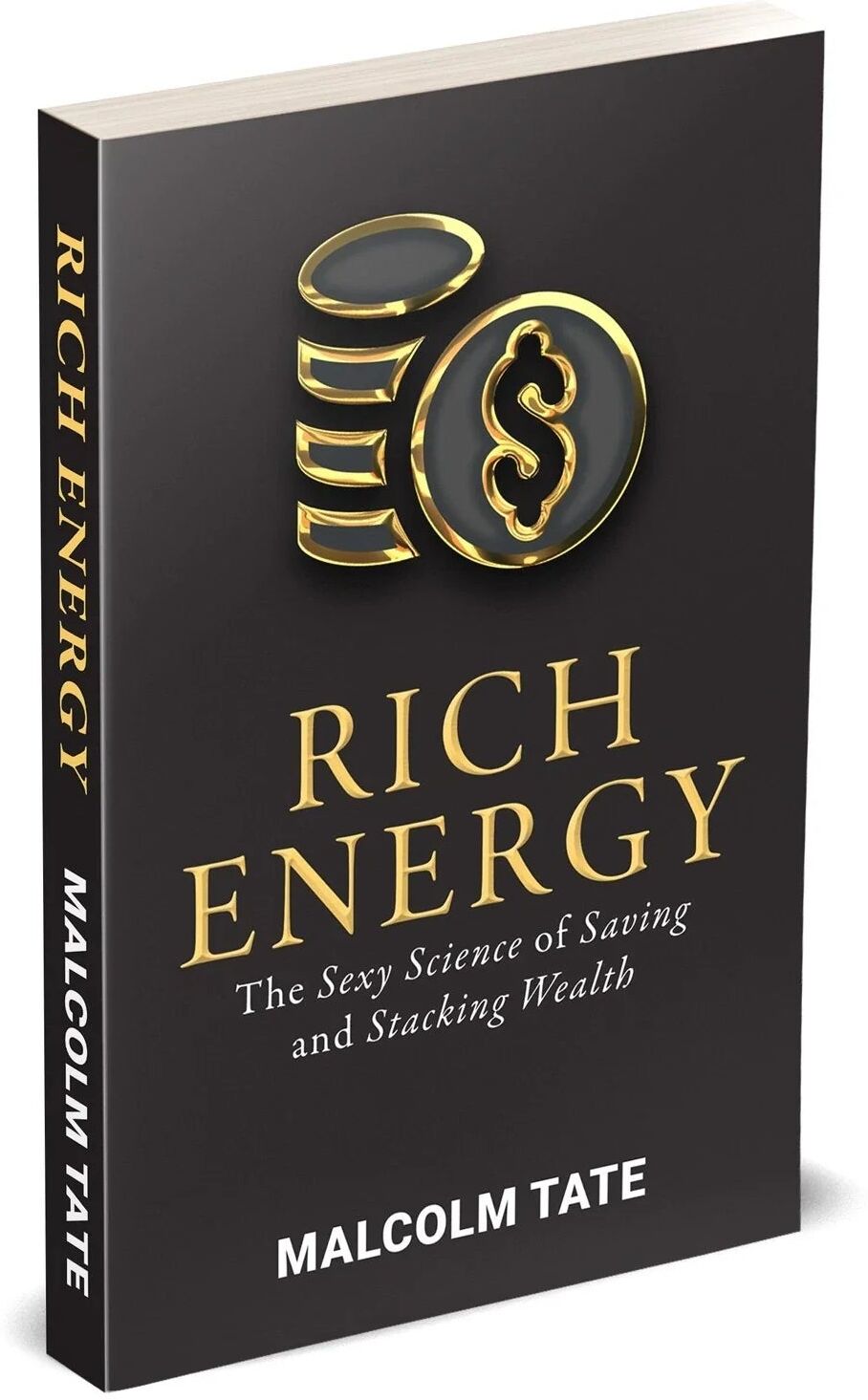
Rupa Publications RICH ENERGY: The Sexy Science of Saving & Stacking Wealth by Malcolm Tate - Paperback - Personal Finance & Money Mindset BookRich Energy: The Sexy Science of Saving; Stacking Wealth by Malcolm Tate is a contemporary take on personal finance that treats money as a mindset rather than a magic trick. Author Malcolm Tate reframes saving, spending, and investing as everyday habits rather than distant goals, giving readers a confident and accessible entry point into building lasting financial wellbeing without the jargon or judgment usually attached to money advice. This paperback book approaches personal finance as a lifestyle upgrade, focusing on the psychology behind spending triggers, the quiet discipline behind consistent saving, and the confidence that comes from understanding your financial situation. Published by Rupa Publications, this book offers a fresh perspective on managing your finances and achieving financial stability.2,99 £*Shipping: 2,99 £Secure redirect to the provider
-
John Murray The 80/20 Principle : The Secret of Achieving More with Less: by Richard KochREAD THIS BOOK AND USE IT - TIM FERRISS Twenty years after its first publication, The 80/20 Principle is a global bestseller read by millions of highly effective people around the world. Now, it is more powerful and essential than ever. In the past, the principle gave those who used it a serious advantage.In the future, it will be the essential tool for anyone who wants to succeed. And it is powerful. Based on the counter-intuitive but widespread fact that 80% of results flow from 20% of causes, The 80/20 Principle shows how you can achieve much more with much less effort, time and resources, simply by concentrating on the all-important 20%.This major new edition includes four brand new chapters showing how to: Use the rise of networks to your advantage Benefit from more acute 90/10 and 99/1 forms of the principle Tap into your subconscious to exert a super-potent and amazingly favourable influence on your life Enjoy greater success with 5 mega rules to live by5,95 £*Shipping: 2,99 £Secure redirect to the provider
-
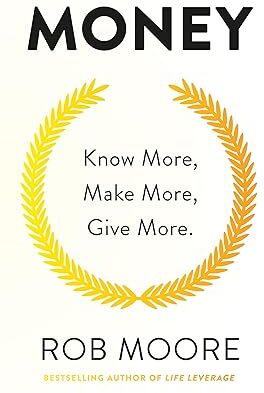
John Murray One Money: Know More, Make More, Give More by Rob Moore - Personal Finance Paperback - New - Practical Guide to Building WealthA straight-talking guide to financial independence, 'Money: Know More, Make More, Give More' by Rob Moore is ideal for aspiring entrepreneurs, first-time investors, or anyone looking to change their approach to earning, saving, and growing their money. Rob Moore, a self-made multi-millionaire and property investor, distills years of experience into a practical roadmap that breaks down the real rules of the money game. He argues that financial success is not down to luck or a single big break, but rather a game with knowable rules that can be understood and followed. This brand-new paperback is a must-read for anyone looking to take control of their finances and achieve financial independence.7,99 £*Shipping: 2,99 £Secure redirect to the provider
-
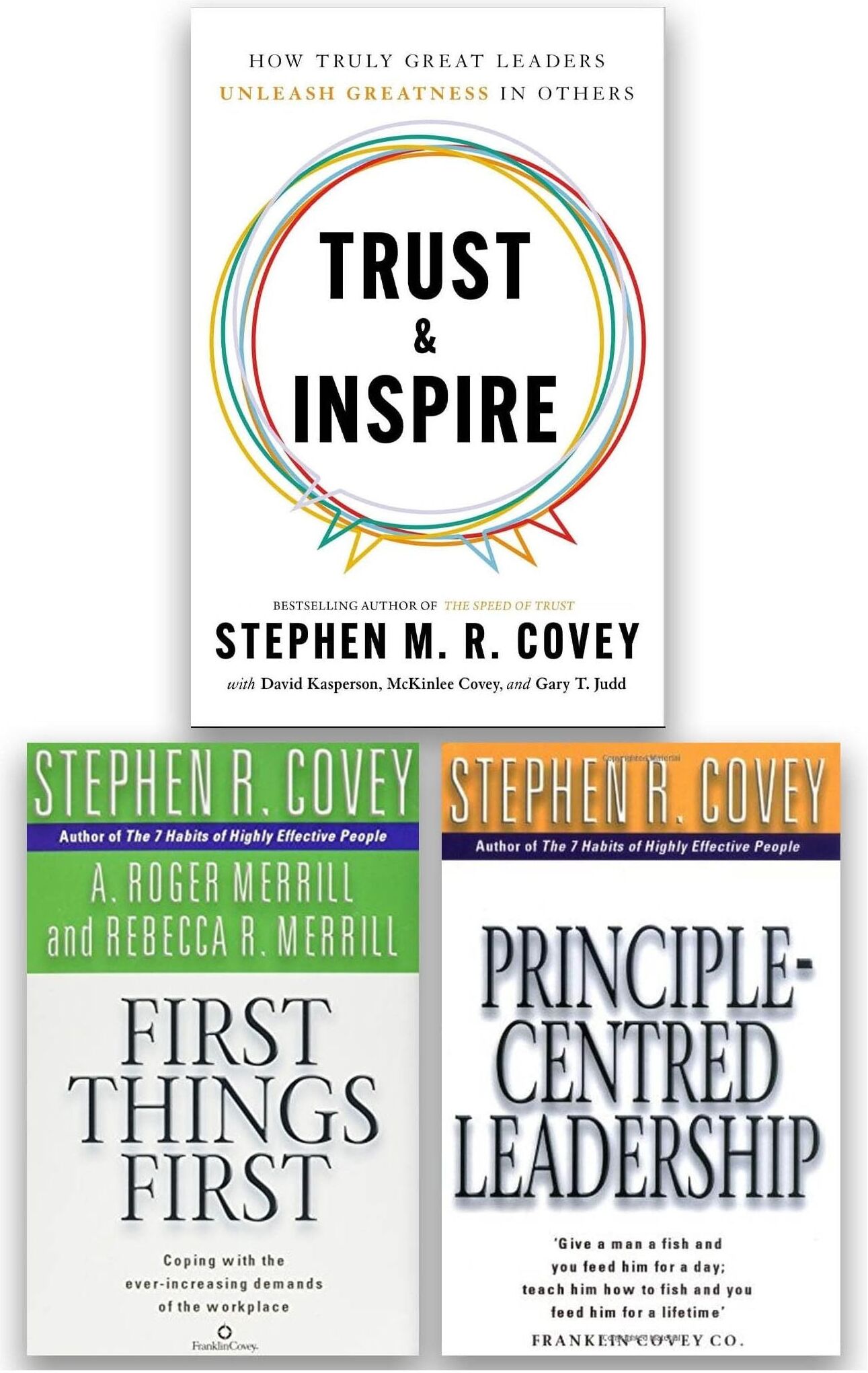
Simon & Schuster Stephen M. R. Covey 3 Books Collection Set (Trust and Inspire, First Things First and Principle Centered Leadership)Trust & Inspire Traditionally, businesses have relied on a“command and control” management style, focusing on rigid hierarchies andcompliance from employees. Covey argues we must shift from a “command andcontrol” to a “trust and inspire” leadership model. Trusting and inspiring yourteam is defined by commitment from both sides, with a focus on effectivenessand fostering a growth mindset. It is based on the belief that employees arecreative, collaborative, and full of potential; through trust, you can inspirethem to do their best work. First Things First I'm getting more done in less time, but where arethe rich relationships, the inner peace, the balance, the confidence that I'mdoing what matters most and doing it well? Does this nagging question haunt you, even whenyou feel you are being your most efficient? If so, First Things First can helpyou understand why we so often prioritize things that are unimportant to bothour larger goals and our inner happiness. Principle Centered Leadership PRINCIPLE CENTRED LEADERSHIP will help solve thesedilemmas - and many others:* how do we achieve a wise and renewing balancebetween work and family in the midst of constant pressures and crises?* how dowe unleash the creativity, talent and energy of the vast majority of the workforce, whose jobs neither require nor reward such resources?* how can we have aculture characterised by change, flexibility and continuous improvement andstill maintain a sense of stability and security?* how do we create team spiritand harmony among people and departments that have been criticising and attackingeach other for years?* how do we get people and culture aligned with strategy,so that everyone in an organisation is as committed to the strategy as thosewho formulated it?19,99 £*Shipping: 2,99 £Secure redirect to the provider

-
What is the ping-pong principle or the hourglass principle?
The ping-pong principle, also known as the hourglass principle, is a communication strategy where information is exchanged back and forth between two parties in a structured and concise manner. It involves each party taking turns to speak or provide input, similar to a game of ping-pong. This principle ensures that communication is balanced, effective, and allows for active listening and engagement from both parties. It helps to maintain a focused and productive conversation by preventing one party from dominating the discussion. **
-
What is the rocket principle and the principle of recoil?
The rocket principle states that for every action, there is an equal and opposite reaction. This means that when a rocket expels gas out of its engines, the force of the gas pushing out is matched by an equal force pushing the rocket in the opposite direction. The principle of recoil is similar, stating that when a gun is fired, the force of the bullet being expelled from the barrel is matched by an equal force pushing the gun in the opposite direction. Both principles are based on Newton's third law of motion, which describes the relationship between the forces acting on two interacting objects. **
-
Does the principle of solidarity correspond to the principle of equivalence?
The principle of solidarity and the principle of equivalence are related but not the same. The principle of solidarity emphasizes mutual support and collective responsibility within a community, while the principle of equivalence focuses on equal treatment and fairness. Solidarity often involves individuals or groups providing assistance or resources to those in need, even if they have not contributed equally, whereas equivalence typically requires treating individuals or groups in the same way based on certain criteria. Both principles aim to promote fairness and justice, but they operate in slightly different ways. **
-
What are the principle of operation and the principle of object?
The principle of operation refers to the fundamental method or process by which something functions or operates. It outlines the underlying rules or guidelines that govern how a system or device works. On the other hand, the principle of object pertains to the main focus or purpose of a particular entity or concept. It defines the central idea or goal that the object is designed to achieve or represent. Both principles are essential in understanding the functionality and significance of a system or object. **

What is the principle of maximization or the principle of minimization?
The principle of maximization or minimization is a decision-making principle that involves choosing the best option from a set of alternatives in order to maximize benefits or minimize costs. In economics, this principle is often applied to the behavior of individuals, firms, or governments when making choices about resource allocation, production, consumption, or investment. The principle of maximization suggests that decision-makers seek to maximize their utility, profits, or other desirable outcomes, while the principle of minimization suggests that decision-makers seek to minimize their costs, risks, or other undesirable outcomes. These principles are fundamental to understanding how economic agents make rational choices in pursuit of their goals. **
Is the principle of officiality and the principle of legality still valid?
Yes, the principles of officiality and legality are still valid in many legal systems around the world. The principle of officiality emphasizes the importance of official documents and procedures in legal matters, while the principle of legality ensures that all actions taken by authorities are based on existing laws and regulations. These principles help maintain order, fairness, and accountability in legal processes. While there may be variations in how these principles are applied in different jurisdictions, they continue to play a crucial role in upholding the rule of law. **
Top-Angebote
Products related to Principle:
-
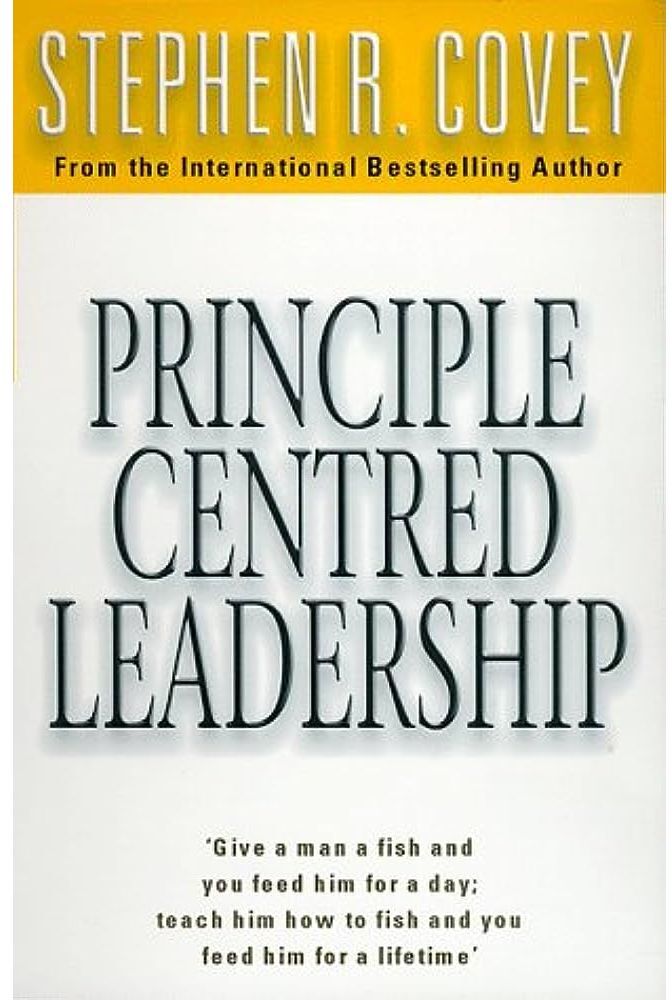
Simon & Schuster Principle Centred Leadership by Stephen R CoveyPRINCIPLE CENTRED LEADERSHIP will help solve these dilemmas - and many others:* how do we achieve a wise and renewing balance between work and family in the midst of constant pressures and crises?* how do we unleash the creativity, talent and energy of the vast majority of the work force, whose jobs neither require nor reward such resources?* how can we have a culture characterised by change, flexibility and continuous improvement and still maintain a sense of stability and security?* how do we create team spirit and harmony among people and departments that have been criticising and attacking each other for years?* how do we get people and culture aligned with strategy, so that everyone in an organisation is as committed to the strategy as those who formulated it?6,99 £*Shipping: 2,99 £Secure redirect to the provider
-
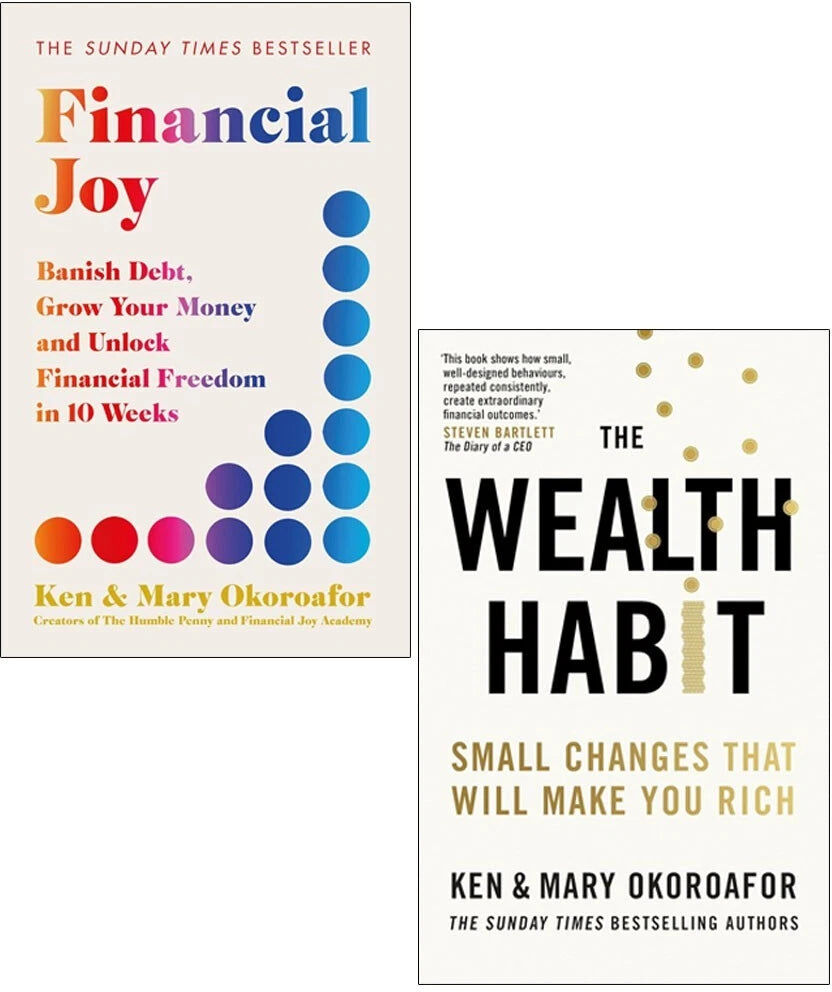
Quercus Publishing Financial Joy & The Wealth Habit by Ken & Mary Okoroafor - Paperback 2 Book Set - Personal Finance & Money HabitsAchieve financial freedom with this two-book collection by Ken and Mary Okoroafor. The set includes 'Financial Joy' and 'The Wealth Habit', two paperbacks that offer a complete roadmap to financial independence. Written from the authors' lived experience, this collection combines practical budgeting steps with small daily habits that compound into lasting wealth. The authors, founders of The Humble Penny and The Financial Joy Academy, share the strategies they used to pay off their mortgage and achieve financial independence by age 34. This set is ideal for anyone starting or restarting their money journey, and provides a life-changing plan to help readers turn their finances around while still enjoying life.13,99 £*Shipping: 2,99 £Secure redirect to the provider
-
Rupa Publications RICH ENERGY: The Sexy Science of Saving & Stacking Wealth by Malcolm Tate - Paperback - Personal Finance & Money Mindset BookRich Energy: The Sexy Science of Saving; Stacking Wealth by Malcolm Tate is a contemporary take on personal finance that treats money as a mindset rather than a magic trick. Author Malcolm Tate reframes saving, spending, and investing as everyday habits rather than distant goals, giving readers a confident and accessible entry point into building lasting financial wellbeing without the jargon or judgment usually attached to money advice. This paperback book approaches personal finance as a lifestyle upgrade, focusing on the psychology behind spending triggers, the quiet discipline behind consistent saving, and the confidence that comes from understanding your financial situation. Published by Rupa Publications, this book offers a fresh perspective on managing your finances and achieving financial stability.2,99 £*Shipping: 2,99 £Secure redirect to the provider
-
John Murray The 80/20 Principle : The Secret of Achieving More with Less: by Richard KochREAD THIS BOOK AND USE IT - TIM FERRISS Twenty years after its first publication, The 80/20 Principle is a global bestseller read by millions of highly effective people around the world. Now, it is more powerful and essential than ever. In the past, the principle gave those who used it a serious advantage.In the future, it will be the essential tool for anyone who wants to succeed. And it is powerful. Based on the counter-intuitive but widespread fact that 80% of results flow from 20% of causes, The 80/20 Principle shows how you can achieve much more with much less effort, time and resources, simply by concentrating on the all-important 20%.This major new edition includes four brand new chapters showing how to: Use the rise of networks to your advantage Benefit from more acute 90/10 and 99/1 forms of the principle Tap into your subconscious to exert a super-potent and amazingly favourable influence on your life Enjoy greater success with 5 mega rules to live by5,95 £*Shipping: 2,99 £Secure redirect to the provider
-
What is the economic principle: the principle of minimum or the principle of maximum?
The principle of minimum and the principle of maximum are economic principles that relate to decision-making. The principle of minimum states that individuals or firms will seek to minimize their costs or inputs in order to achieve a certain level of output or outcome. On the other hand, the principle of maximum states that individuals or firms will seek to maximize their benefits or outputs given a certain level of inputs or costs. Both principles are important in guiding economic decision-making and resource allocation. **
-
What is the principle of the key-lock principle?
The key-lock principle is based on the idea that certain molecules or structures (keys) can fit into specific receptors or binding sites (locks) with high specificity and affinity. This principle is commonly used to describe the interaction between enzymes and their substrates, where the enzyme (lock) has a specific active site that perfectly fits the substrate (key), allowing for efficient catalysis. The key-lock principle highlights the importance of complementary shapes and chemical properties between molecules for effective interactions to occur. **
-
What is the ping-pong principle or the hourglass principle?
The ping-pong principle, also known as the hourglass principle, is a communication strategy where information is exchanged back and forth between two parties in a structured and concise manner. It involves each party taking turns to speak or provide input, similar to a game of ping-pong. This principle ensures that communication is balanced, effective, and allows for active listening and engagement from both parties. It helps to maintain a focused and productive conversation by preventing one party from dominating the discussion. **
-
What is the rocket principle and the principle of recoil?
The rocket principle states that for every action, there is an equal and opposite reaction. This means that when a rocket expels gas out of its engines, the force of the gas pushing out is matched by an equal force pushing the rocket in the opposite direction. The principle of recoil is similar, stating that when a gun is fired, the force of the bullet being expelled from the barrel is matched by an equal force pushing the gun in the opposite direction. Both principles are based on Newton's third law of motion, which describes the relationship between the forces acting on two interacting objects. **
Similar search terms for Principle
-
John Murray One Money: Know More, Make More, Give More by Rob Moore - Personal Finance Paperback - New - Practical Guide to Building WealthA straight-talking guide to financial independence, 'Money: Know More, Make More, Give More' by Rob Moore is ideal for aspiring entrepreneurs, first-time investors, or anyone looking to change their approach to earning, saving, and growing their money. Rob Moore, a self-made multi-millionaire and property investor, distills years of experience into a practical roadmap that breaks down the real rules of the money game. He argues that financial success is not down to luck or a single big break, but rather a game with knowable rules that can be understood and followed. This brand-new paperback is a must-read for anyone looking to take control of their finances and achieve financial independence.7,99 £*Shipping: 2,99 £Secure redirect to the provider
-
Simon & Schuster Stephen M. R. Covey 3 Books Collection Set (Trust and Inspire, First Things First and Principle Centered Leadership)Trust & Inspire Traditionally, businesses have relied on a“command and control” management style, focusing on rigid hierarchies andcompliance from employees. Covey argues we must shift from a “command andcontrol” to a “trust and inspire” leadership model. Trusting and inspiring yourteam is defined by commitment from both sides, with a focus on effectivenessand fostering a growth mindset. It is based on the belief that employees arecreative, collaborative, and full of potential; through trust, you can inspirethem to do their best work. First Things First I'm getting more done in less time, but where arethe rich relationships, the inner peace, the balance, the confidence that I'mdoing what matters most and doing it well? Does this nagging question haunt you, even whenyou feel you are being your most efficient? If so, First Things First can helpyou understand why we so often prioritize things that are unimportant to bothour larger goals and our inner happiness. Principle Centered Leadership PRINCIPLE CENTRED LEADERSHIP will help solve thesedilemmas - and many others:* how do we achieve a wise and renewing balancebetween work and family in the midst of constant pressures and crises?* how dowe unleash the creativity, talent and energy of the vast majority of the workforce, whose jobs neither require nor reward such resources?* how can we have aculture characterised by change, flexibility and continuous improvement andstill maintain a sense of stability and security?* how do we create team spiritand harmony among people and departments that have been criticising and attackingeach other for years?* how do we get people and culture aligned with strategy,so that everyone in an organisation is as committed to the strategy as thosewho formulated it?19,99 £*Shipping: 2,99 £Secure redirect to the provider
-
Hay House UK Make Money Easy by Lewis Howes - Hardback - Financial Freedom & Money Mindset Guide for Adults - Personal Finance BestsellerCreate financial freedom and live a richer life with this practical guide by Lewis Howes. This hardback book is a mindset-first approach to building genuine financial freedom, drawing on interviews with leading financial experts, cutting-edge money psychology research, and the author's own journey from broke to abundant. It helps readers uncover their unique 'Money Style,' build a powerful 'Money Mindset,' and develop a clear, actionable roadmap to earn more, worry less, and feel at peace with their finances. Written by the host of The School of Greatness podcast, this book is perfect for anyone tired of feeling stuck with money.21,99 £*Shipping: 2,99 £Secure redirect to the provider
-
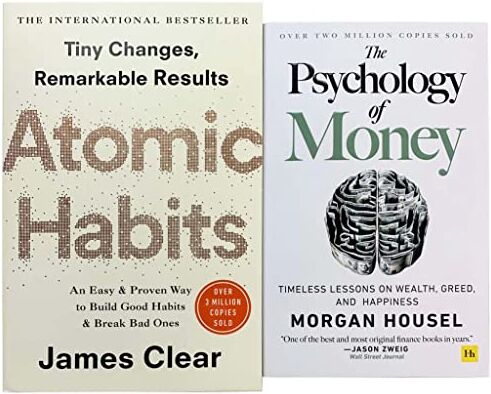
Random House Business/Harriman House ltd Atomic Habits & The Psychology of Money – 2 Books Collection Set Personal Growth, Wealth & Mindset BestsellersAtomic Habits People think that when you want to change your life, you need to think big. But world-renowned habits expert James Clear has discovered another way. He knows that real change comes from the compound effect of hundreds of small decisions: doing two push-ups a day, waking up five minutes early, or holding a single short phone call. He calls them atomic habits. In this ground-breaking book, Clears reveals exactly how these minuscule changes can grow into such life-altering outcomes. He uncovers a handful of simple life hacks (the forgotten art of Habit Stacking, the unexpected power of the Two Minute Rule, or the trick to entering the Goldilocks Zone), and delves into cutting-edge psychology and neuroscience to explain why they matter. Along the way, he tells inspiring stories of Olympic gold medalists, leading CEOs, and distinguished scientists who have used the science of tiny habits to stay productive, motivated, and happy. The Psychology of Money Doing well with money isn't necessarily about what you know. It's about how you behave. And behaviour is hard to teach, even to really smart people. Money investing, personal finance, and business decisions is typically taught as a math-based field, where data and formulas tell us exactly what to do. But in the real world people don't make financial decisions on a spreadsheet. They make them at the dinner table, or in a meeting room, where personal history, your own unique view of the world, ego, pride, marketing, and odd incentives are scrambled together. In The Psychology of Money, award-winning author Morgan Housel shares 19 short stories exploring the strange ways people think about money and teaches you how to make better sense of one of life's most important topics.15,99 £*Shipping: 2,99 £Secure redirect to the provider
-
Does the principle of solidarity correspond to the principle of equivalence?
The principle of solidarity and the principle of equivalence are related but not the same. The principle of solidarity emphasizes mutual support and collective responsibility within a community, while the principle of equivalence focuses on equal treatment and fairness. Solidarity often involves individuals or groups providing assistance or resources to those in need, even if they have not contributed equally, whereas equivalence typically requires treating individuals or groups in the same way based on certain criteria. Both principles aim to promote fairness and justice, but they operate in slightly different ways. **
-
What are the principle of operation and the principle of object?
The principle of operation refers to the fundamental method or process by which something functions or operates. It outlines the underlying rules or guidelines that govern how a system or device works. On the other hand, the principle of object pertains to the main focus or purpose of a particular entity or concept. It defines the central idea or goal that the object is designed to achieve or represent. Both principles are essential in understanding the functionality and significance of a system or object. **
-
What is the principle of maximization or the principle of minimization?
The principle of maximization or minimization is a decision-making principle that involves choosing the best option from a set of alternatives in order to maximize benefits or minimize costs. In economics, this principle is often applied to the behavior of individuals, firms, or governments when making choices about resource allocation, production, consumption, or investment. The principle of maximization suggests that decision-makers seek to maximize their utility, profits, or other desirable outcomes, while the principle of minimization suggests that decision-makers seek to minimize their costs, risks, or other undesirable outcomes. These principles are fundamental to understanding how economic agents make rational choices in pursuit of their goals. **
-
Is the principle of officiality and the principle of legality still valid?
Yes, the principles of officiality and legality are still valid in many legal systems around the world. The principle of officiality emphasizes the importance of official documents and procedures in legal matters, while the principle of legality ensures that all actions taken by authorities are based on existing laws and regulations. These principles help maintain order, fairness, and accountability in legal processes. While there may be variations in how these principles are applied in different jurisdictions, they continue to play a crucial role in upholding the rule of law. **
* All prices are inclusive of VAT and, if applicable, plus shipping costs. The offer information is based on the details provided by the respective shop and is updated through automated processes. Real-time updates do not occur, so deviations can occur in individual cases. ** Note: Parts of this content were created by AI.